The Ultimate Guide to Easy Homemade Chicken Pad Thai with Tamarind Sauce
Discover the best easy homemade chicken pad thai with tamarind sauce recipe on thenextrecipes.com. This incredible guide combines tender chicken, chewy rice noodles, and a balanced sweet-and-sour sauce into an unforgettable weeknight meal.
Table of Contents
The Ultimate Guide to Easy Homemade Chicken Pad Thai with Tamarind Sauce
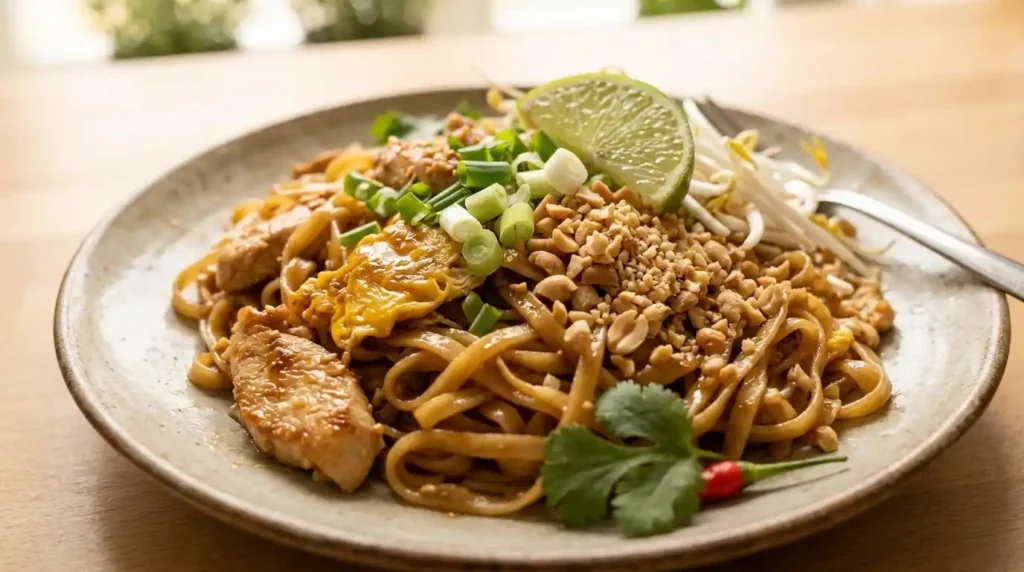
There is an undeniable, comforting magic that happens when a hot wok hits the stove, filling your kitchen with the rich, savory aromas of garlic, toasted peanuts, and bubbling tamarind. If you have ever stood in line at a bustling street food market just to catch the scent of freshly tossed noodles, you already know the irresistible pull of authentic pad thai. Recreating that magic in your own kitchen is not just about cooking a meal; it is about treating yourself and the people you love to an absolute sensory experience. Imagine tossing a sizzling pan of chewy rice noodles, tender chicken, and vibrant sprouts, watching everything come together in a glossy, balanced sauce. Let us dive into how you can bring this legendary culinary masterpiece right into your home.
Understanding the Soul of Traditional Pad Thai
What Makes Authentic Pad Thai So Special?
True pad thai originates from the heart of Thailand’s street food culture, balancing sweet, sour, and salty notes in every single bite. In modern home kitchens, mastering this dish comes down to respecting the foundational ingredients that create its signature flavor profile.
- The Tamarind Foundation: Real tamarind paste provides the essential tart, fruity sourness that distinguishes genuine pad thai from commercial imitation sauces.
- The Umami Balance: A careful combination of quality fish sauce and palm sugar creates the deep, savory-sweet depth coating the noodles.
- The Textural Contrast: Pairing chewy rice noodles with crunchy roasted peanuts, crisp bean sprouts, and tender chicken delivers an unforgettable mouthfeel.
The Cultural Heritage Behind Every Wok Toss
When you prepare a traditional batch of chicken pad thai at home, you are participating in a rich history of culinary craftsmanship. Originally popularized as a national dish to promote local ingredients, pad thai has evolved into a global symbol of comfort and community. Understanding this background helps you appreciate why high-heat wok cooking and precise timing matter so much to the final texture.
Essential Ingredients for Easy Homemade Chicken Pad Thai
To keep your cooking process smooth and organized, the table below outlines everything you need for both the rich tamarind sauce and the ultimate noodle stir-fry.
| Category | Ingredient | Quantity | Purpose |
| Noodle Base | Flat Rice Noodles | 8 oz | Provides the chewy, absorbent foundation for the dish. |
| Protein | Boneless Chicken Breast or Thighs | 1 lb, thinly sliced | Adds tender, savory protein that cooks quickly in the wok. |
| Sauce Base | Tamarind Paste | 3 tbsp | Delivers the authentic sour and tangy profile. |
| Sauce Base | Fish Sauce & Palm Sugar | 3 tbsp & 2 tbsp | Imparts rich umami depth and balancing sweetness. |
| Aromatics | Garlic, Shallots, & Firm Tofu | Various | Builds the traditional aromatic and textural base. |
| Fresh Add-Ins | Eggs & Bean Sprouts | 2 pcs & 1 cup | Creates body, richness, and crisp freshness. |
| Garnish | Roasted Peanuts & Lime Wedges | As needed | Provides crunch, nutty aroma, and bright citrus finish. |
Step-by-Step Instructions: How to Master Chicken Pad Thai
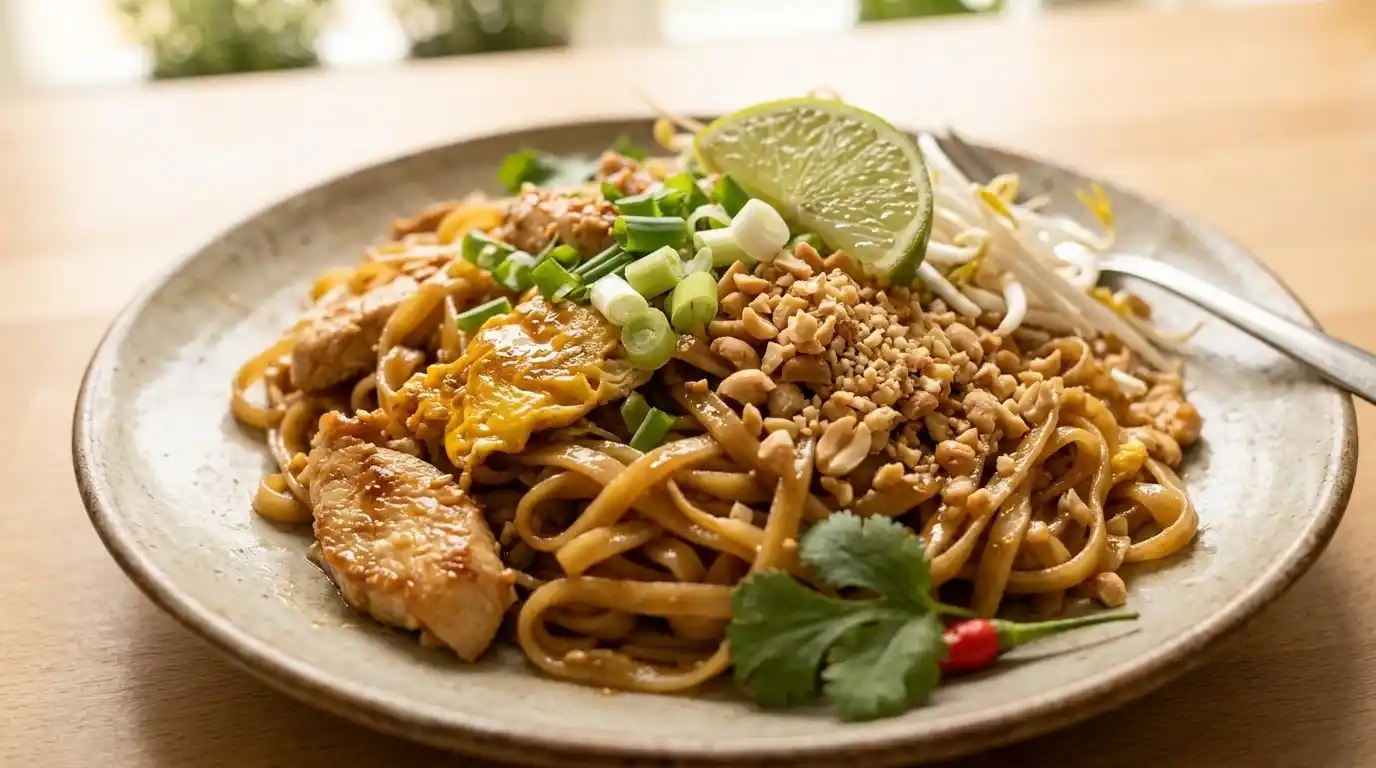
Step-by-Step Instructions: How to Master Chicken Pad Thai
Step 1: Soaking the Rice Noodles Properly
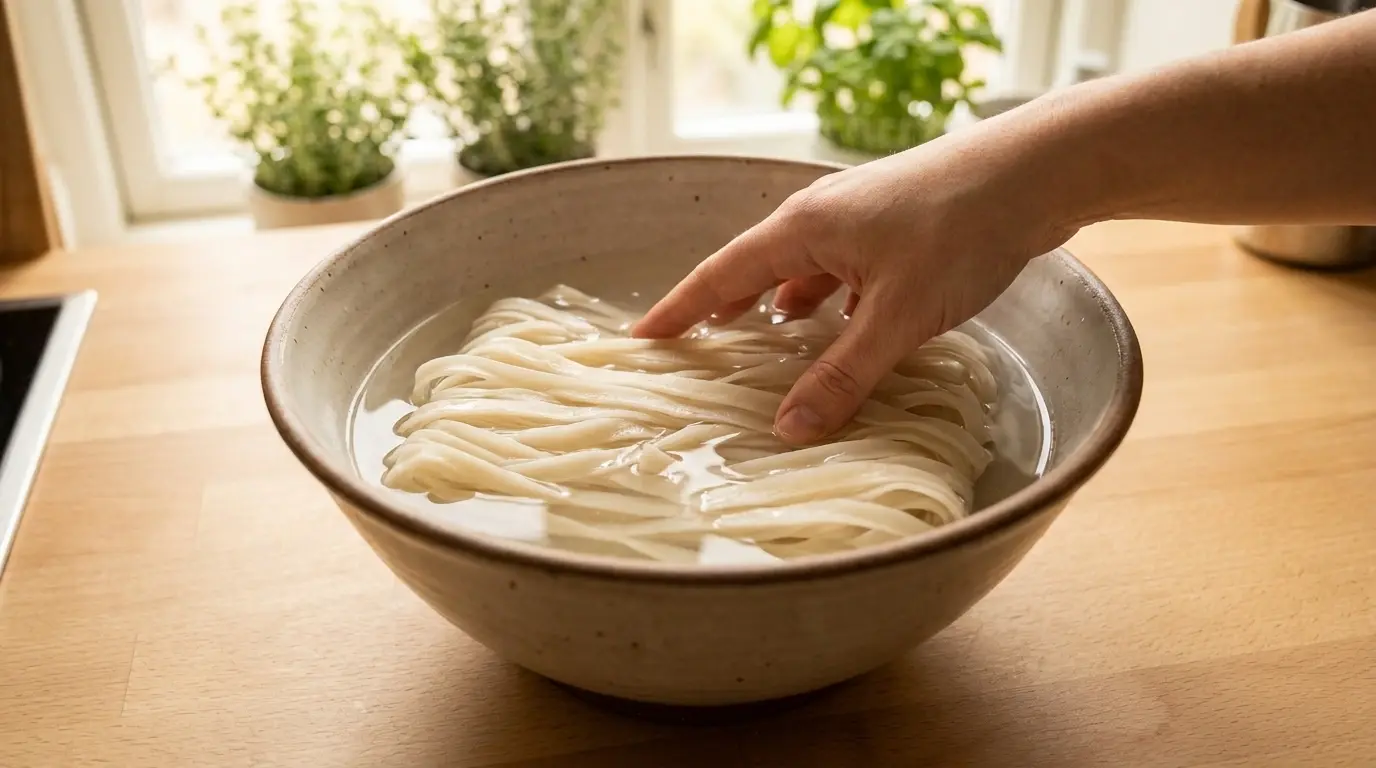
Start by soaking your flat rice noodles in a large bowl of warm water for about 20 to 30 minutes. You want them pliable and soft, but still firm to the bite, as they will finish cooking and absorbing flavors directly in the hot wok sauce. Never boil them completely, or they will turn mushy.
Step 2: Mixing the Sweet and Tangy Tamarind Sauce
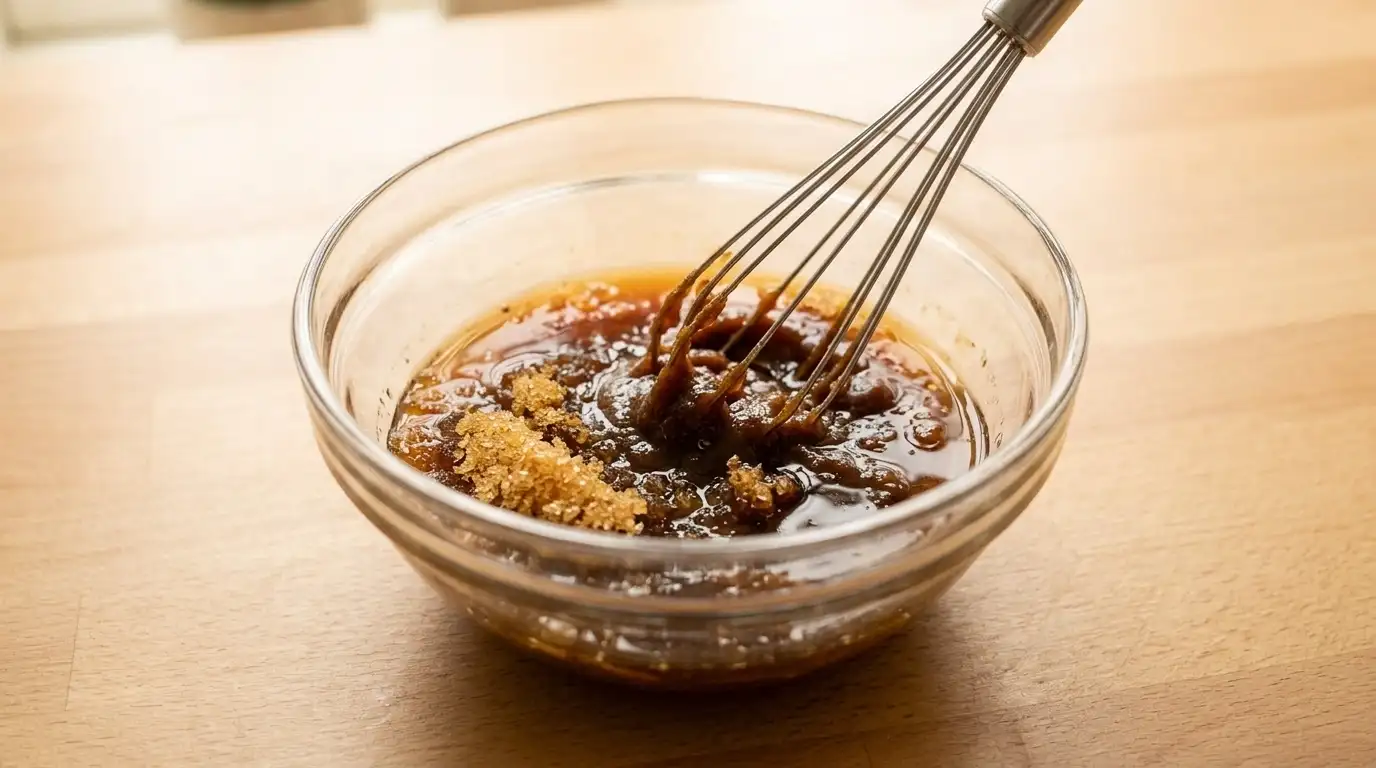
In a small bowl, whisk together your tamarind paste, fish sauce, palm sugar (or brown sugar), and a splash of warm water until the sugar dissolves completely. This creates the master balance of sour, salty, and sweet that defines a world-class chicken pad thai.
Step 3: Searing the Chicken and Aromatics
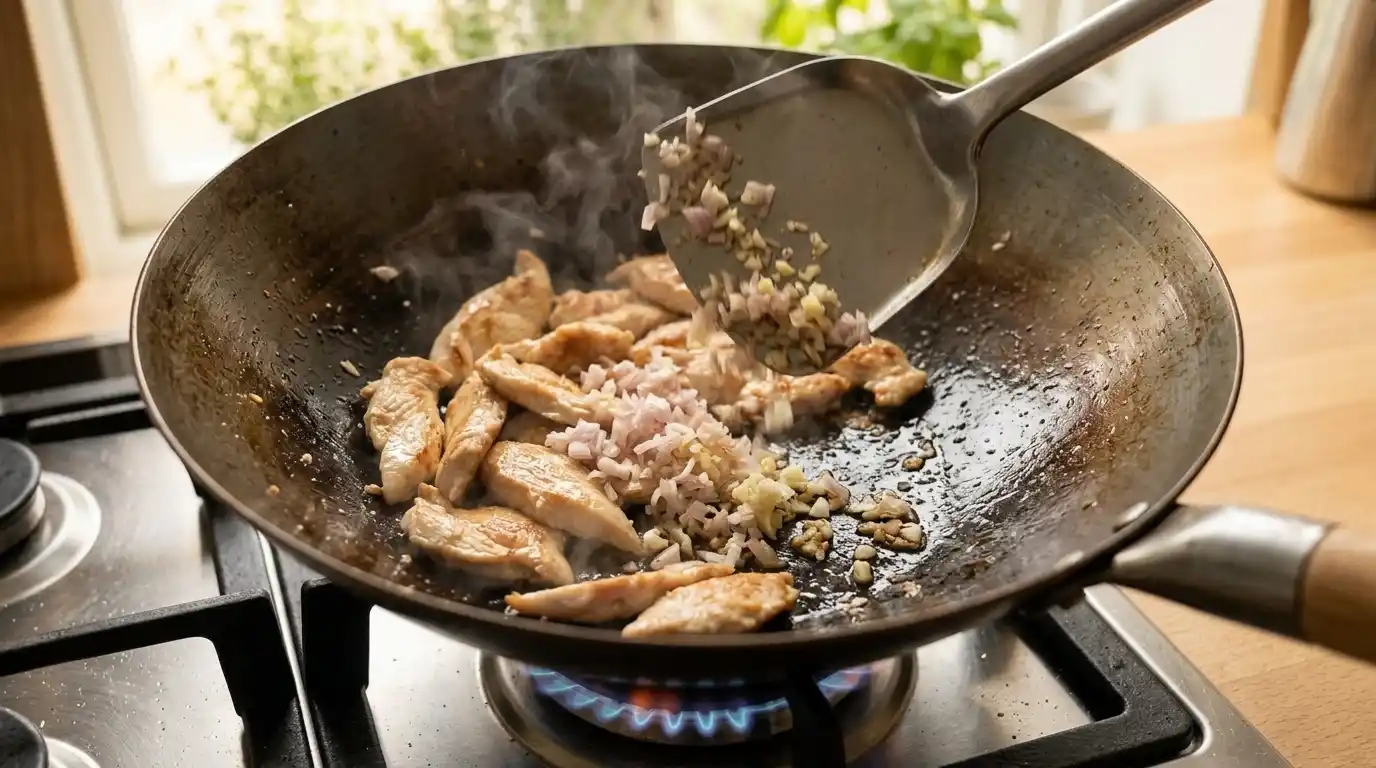
Heat a wok or large heavy skillet over high heat with a tablespoon of cooking oil. Add your thinly sliced chicken and cook until no longer pink, then toss in the minced shallots and garlic, stirring constantly until fragrant and lightly golden.
Step 4: Scrambling Eggs and Tossing the Noodles
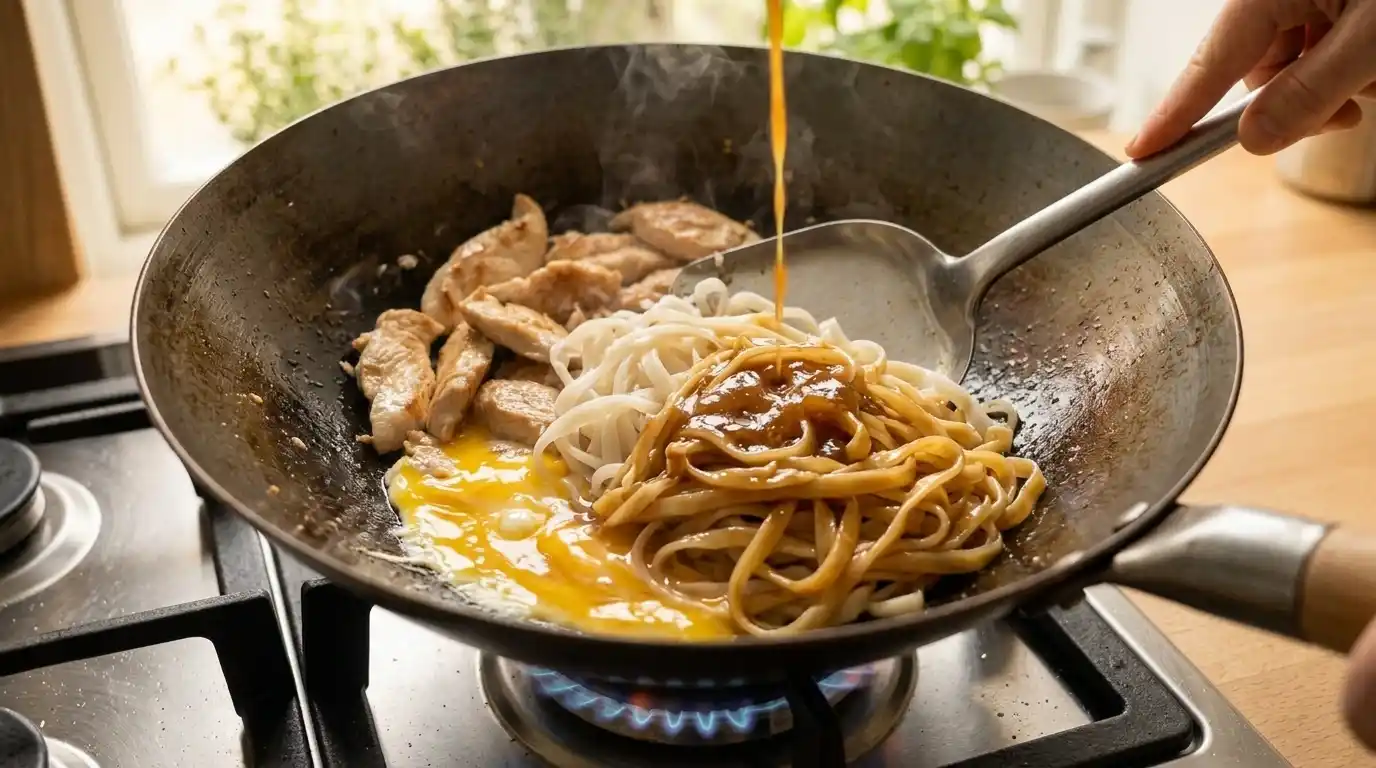
Push the chicken mixture to one side of the wok, crack the fresh eggs directly into the empty space, and scramble them quickly. Add your drained rice noodles and pour the prepared tamarind sauce all over the ingredients, tossing vigorously until the noodles soften, turn a rich amber color, and absorb all the liquid.
Serving Suggestions and Elevating Your Feast
A magnificent stir-fry like this deserves an equally thoughtful presentation to complete your dining experience:
- Crushed Peanut Crust: Sprinkle a generous layer of freshly chopped roasted peanuts over each plate right before serving to maximize crunch and nutty aroma.
- Fresh Lime Wedges: Provide plenty of fresh lime halves so guests can squeeze bright citrus juice over their noodles to heighten the savory notes.
- Crisp Herb Garnishes: Serve alongside fresh garlic chives, cilantro leaves, and extra raw bean sprouts for an authentic street-vendor presentation.
Frequently Asked Questions About Chicken Pad Thai
Can I make this chicken pad thai recipe ahead of time?
Pad thai is best enjoyed fresh straight out of the wok because the rice noodles maintain their ideal chewy texture. However, you can prep all your ingredients, slice the chicken, soak the noodles, and mix the sauce ahead of time so the actual cooking takes less than 15 minutes.
What can I substitute if I cannot find tamarind paste?
While authentic tamarind paste is crucial for the traditional sour flavor, you can substitute a mixture of fresh lime juice and a splash of rice vinegar with brown sugar, though the complex depth will differ slightly.
Why did my noodles turn out mushy or sticky?
Noodles typically become mushy if they are soaked in boiling water or over-cooked before hitting the wok. Always soak them in warm or room-temperature water until just pliable so they finish cooking smoothly in the wok sauce.
Conclusion
Mastering the art of making easy homemade chicken pad thai with tamarind sauce at home is a rewarding culinary journey that elevates any weeknight dinner into an extraordinary feast. From the chewy rice noodles and tender chicken to the balanced sweet-and-sour sauce, every step brings you closer to ultimate kitchen satisfaction. Do not wait for your next takeout craving—gather your ingredients, fire up the wok, and experience the incredible flavors firsthand.
What is your favorite ingredient to customize when making stir-fry dishes at home? Drop a comment below and share your kitchen tips with us!
Easy Homemade Chicken Pad Thai with Tamarind Sauce
Ingredients
Equipment
Method
- Soak the Rice Noodles: Place the dry rice noodles into a large bowl and cover them with warm tap water. Let them soak for 25 to 30 minutes until they are pliable and soft, but still slightly firm to the bite (al dente). Drain thoroughly in a colander.
- Mix the Sauce: In a small mixing bowl, whisk together the tamarind paste, fish sauce, brown sugar, rice vinegar, water, and sriracha until the sugar dissolves completely. Set aside.
- Cook the Chicken: Heat 1.5 tablespoons of vegetable oil in a large wok or skillet over medium-high heat. Add the sliced chicken and stir-fry for 4 to 5 minutes until fully cooked and lightly golden. Remove the chicken from the wok and set it aside on a plate.
- Aromatics and Eggs: Add the remaining 1.5 tablespoons of oil to the same hot wok. Toss in the minced garlic and diced shallot, stir-frying for 30 seconds until fragrant. Push the aromatics to one side of the wok, pour the beaten eggs into the empty side, and scramble them quickly with a spatula until just set.
- Toss Noodles and Sauce: Add the drained rice noodles and the prepared pad thai sauce directly into the wok with the eggs and aromatics. Toss everything continuously over medium-high heat for 2 to 3 minutes until the noodles absorb the sauce and soften evenly.
- Combine and Finish: Return the cooked chicken to the wok along with half of the fresh bean sprouts and green onion pieces. Toss vigorously for another 1 to 2 minutes until everything is piping hot and well combined.
- Garnish and Serve: Remove from heat, transfer to serving plates, and garnish generously with the remaining fresh bean sprouts, chopped roasted peanuts, and lime wedges on the side.