The Ultimate Italian Easter Bread Recipe (Pane di Pasqua)
The Ultimate Italian Easter Bread Recipe (Pane di Pasqua)
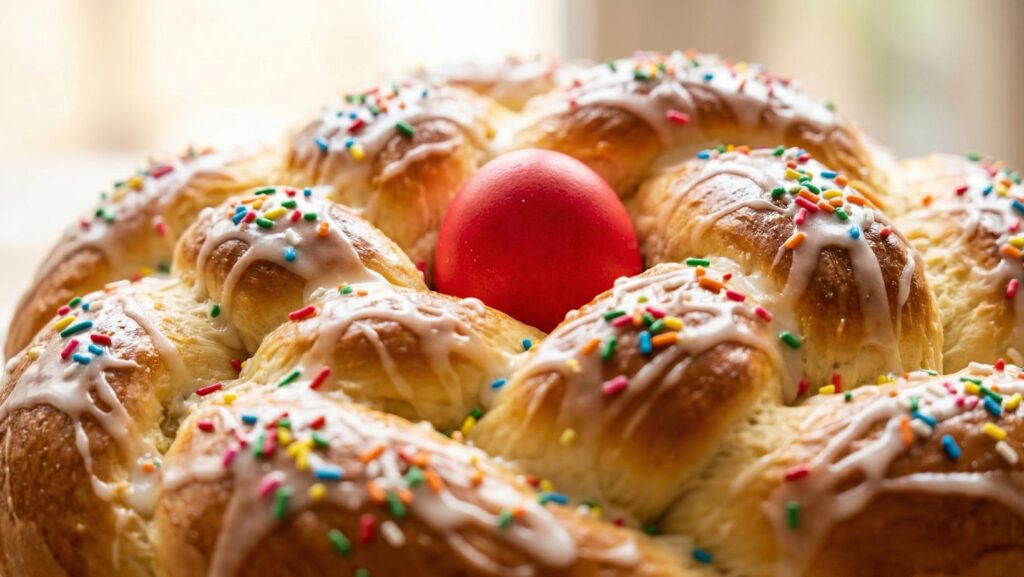
Discover how to make the most authentic, soft, and fluffy Italian Easter Bread (Pane di Pasqua). This easy-to-follow recipe features citrus notes, anise, and a festive glaze that will make your holiday brunch unforgettable!
Table of Contents
What is Traditional Italian Easter Bread?
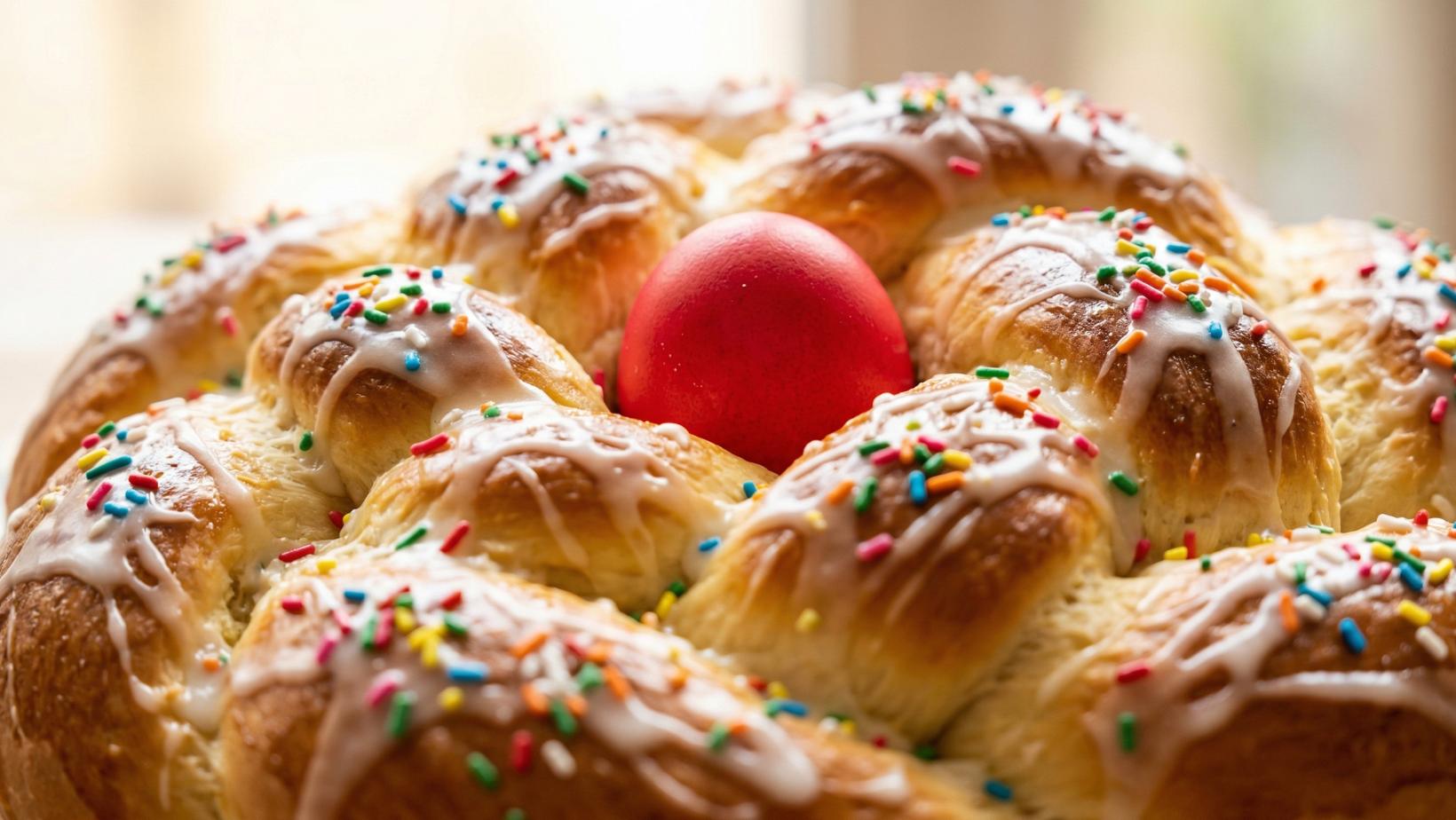
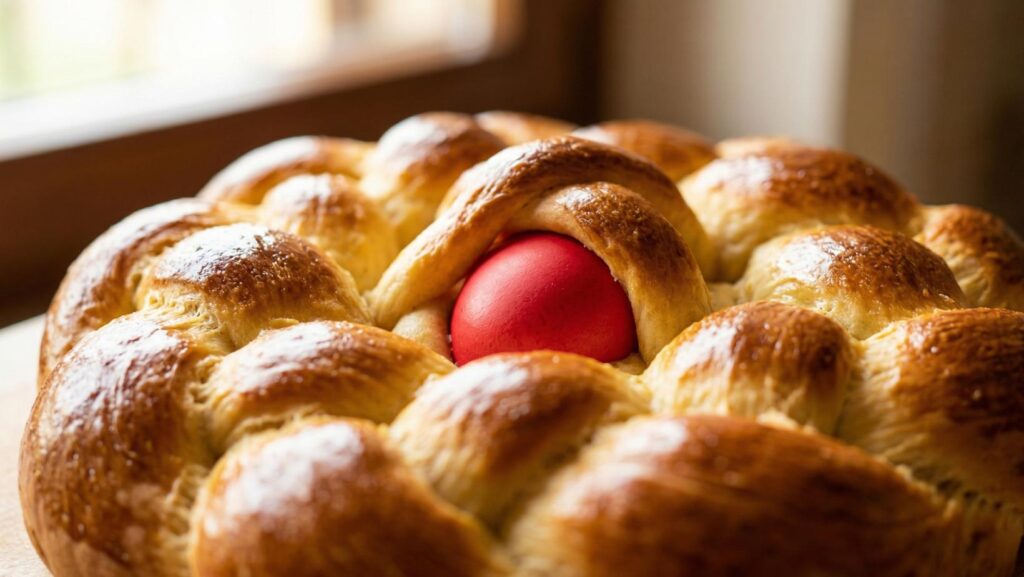
Italian Easter Bread, or Pane di Pasqua, is more than just a sweet loaf; it is a symbol of celebration and tradition. Historically, this bread is shaped into a wreath to represent the crown of thorns, while the eggs nestled within the dough symbolize rebirth and the resurrection.
Whether you grew up with your Nana’s Italian Easter Bread or you are looking to start a new family tradition at MagicInKitchen, this recipe delivers a rich, brioche-style texture that is light, airy, and perfectly sweetened.
Why This is the Best Easter Bread Recipe You’ll Ever Try
After analyzing many traditional versions, including the famous Brown Eyed Baker Easter Bread, we’ve refined this recipe to ensure success even for beginner bakers. Here is why our version stands out:
- Superior Texture: We use a specific kneading technique to ensure the crumb is “feather-light.”
- Balanced Flavor: The combination of fresh orange zest and anise oil creates a nostalgic aroma without being overpowering.
- Longevity: Most homemade breads go stale fast; we’ve included a pro-tip to keep yours soft for days.
Key Ingredients for Success
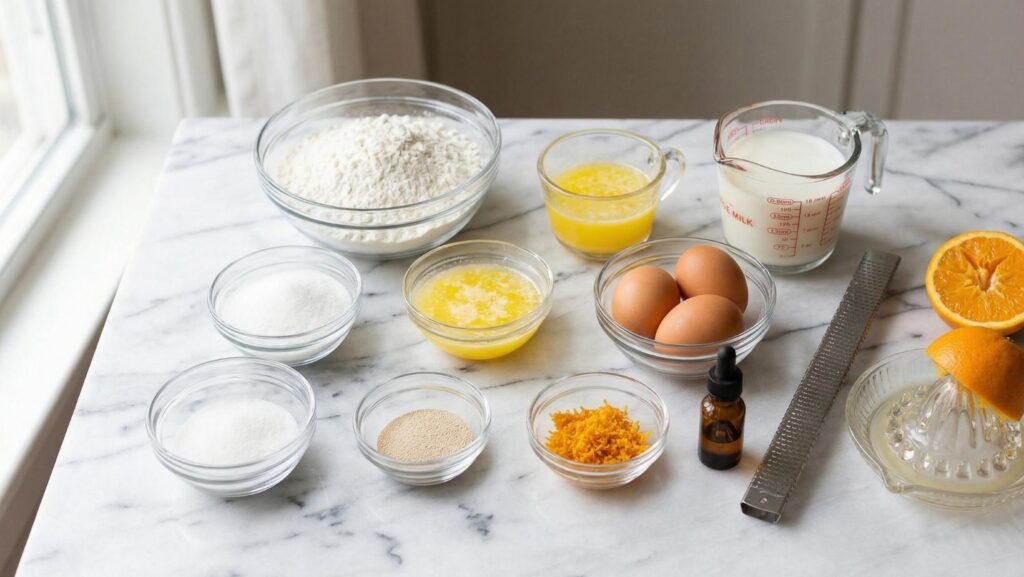
To achieve that professional bakery finish, quality ingredients are essential:
- Whole Milk: High fat content is crucial for a tender crumb.
- Fresh Oranges: Don’t use bottled juice. The oils in fresh orange zest provide the signature flavor.
- Anise Oil vs. Extract: Use pure anise oil if possible for a deeper, more authentic Italian taste.
- Yeast: Ensure your active dry yeast is fresh by “blooming” it in warm milk first.
Pro-Tips from thenextrecipes Team
Before you start mixing, keep these “Grandma-approved” secrets in mind:
- The Temperature Rule: Your milk should be exactly 110°F (43°C). Too hot will kill the yeast; too cold won’t activate it.
- The Honey Trick: Adding one tablespoon of honey to the dough helps retain moisture, keeping your Easter Bread soft for up to 5 days.
- Don’t Over-Flour: The dough should be slightly tacky. Adding too much flour during kneading leads to a heavy, dense loaf.
Step-by-Step Instructions: How to Make Italian Easter Bread
Step 1: Bloom the Yeast
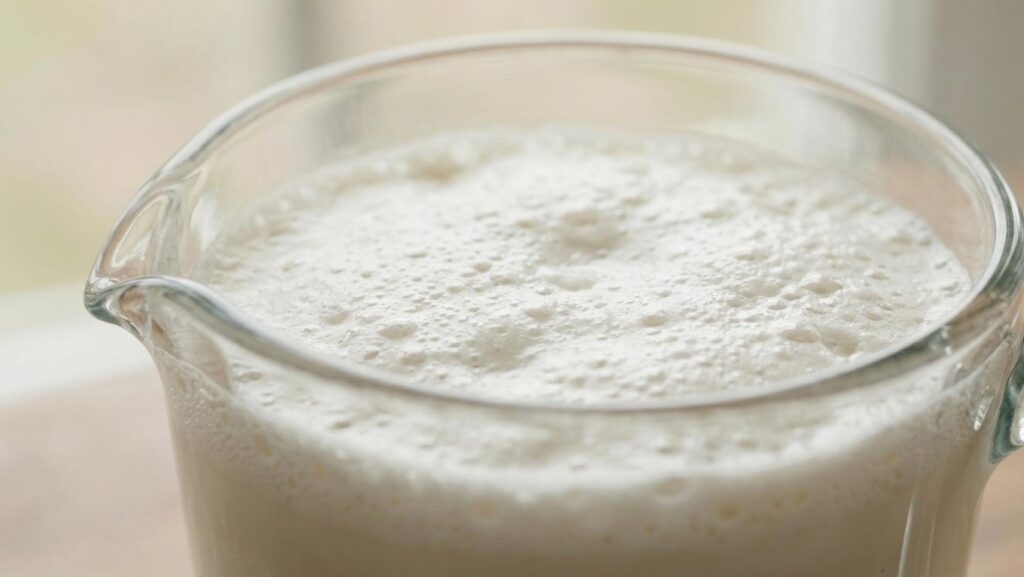
In a small bowl, combine warm milk, a tablespoon of sugar, and the yeast. Let it sit for about 10 minutes until it becomes foamy. This ensures your Pane di Pasqua rises perfectly.
Step 2: Flavor Infusion
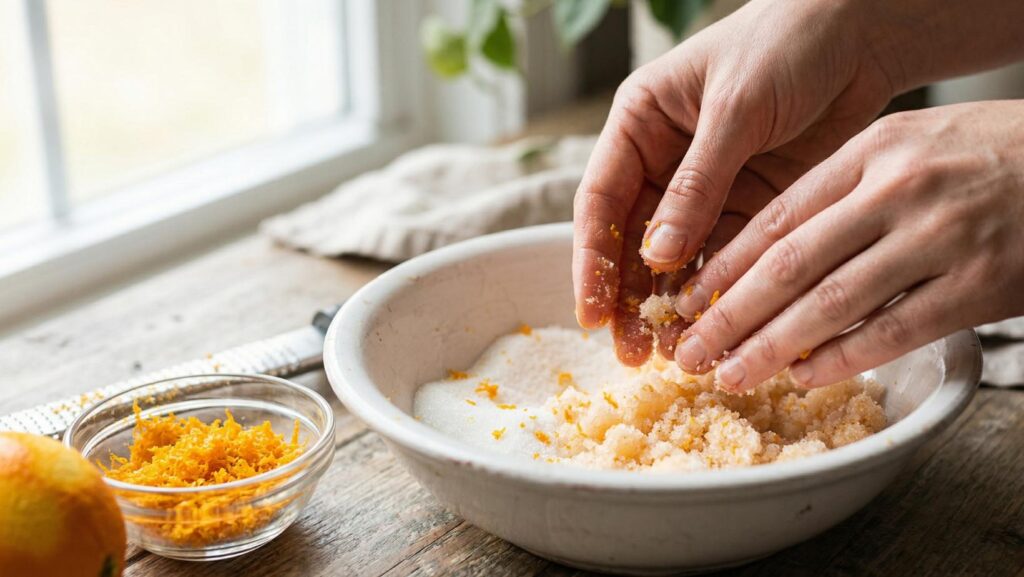
In your main mixing bowl, rub the remaining sugar with fresh orange zest using your fingertips. This releases the essential oils for a more fragrant dough. Stir in the yeast mixture.
Step 3: Mix the Wet and Dry
Slowly add flour to the liquid. In a separate bowl, whisk together eggs, anise oil, and melted butter (or margarine). Incorporate this into the dough until a shaggy ball forms.
Step 4: The Art of Kneading
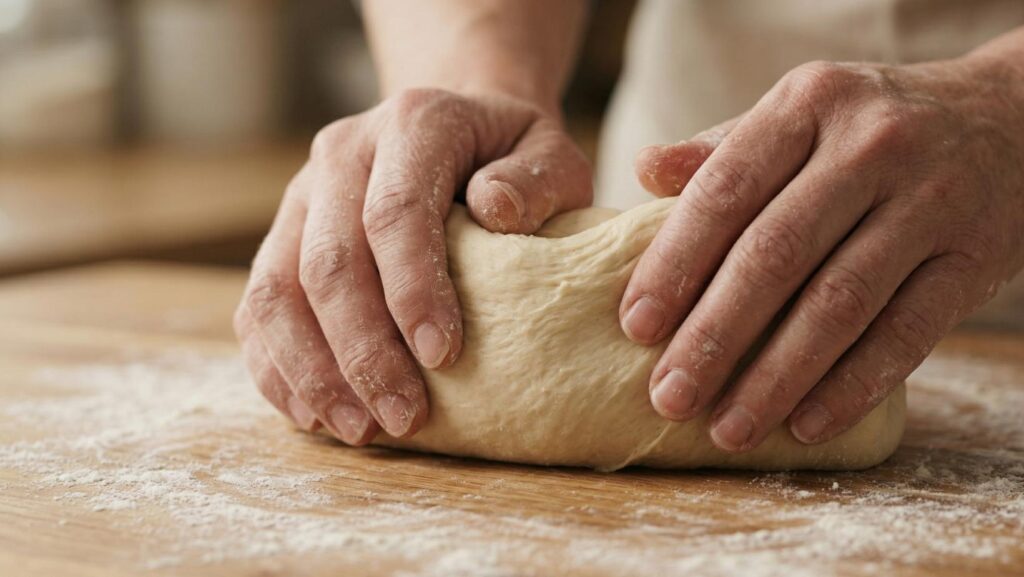
Turn the dough onto a floured surface. Knead for 5–8 minutes. You are looking for a smooth, elastic texture.
Step 5: First Rise
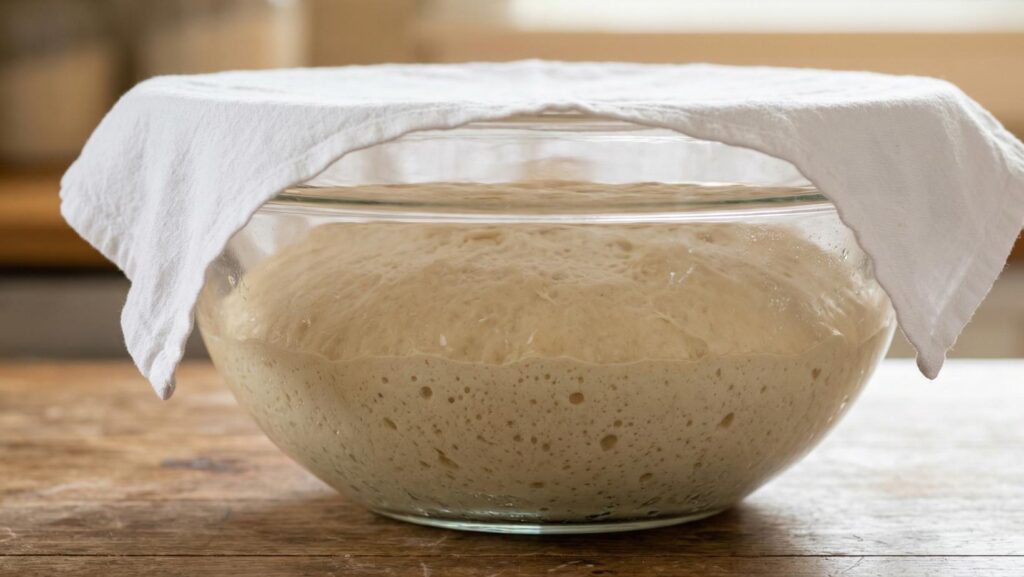
Place the dough in a greased bowl. Cover with a damp cloth and let it double in size in a warm spot (about 1 hour).
Step 6: Braiding the Wreath
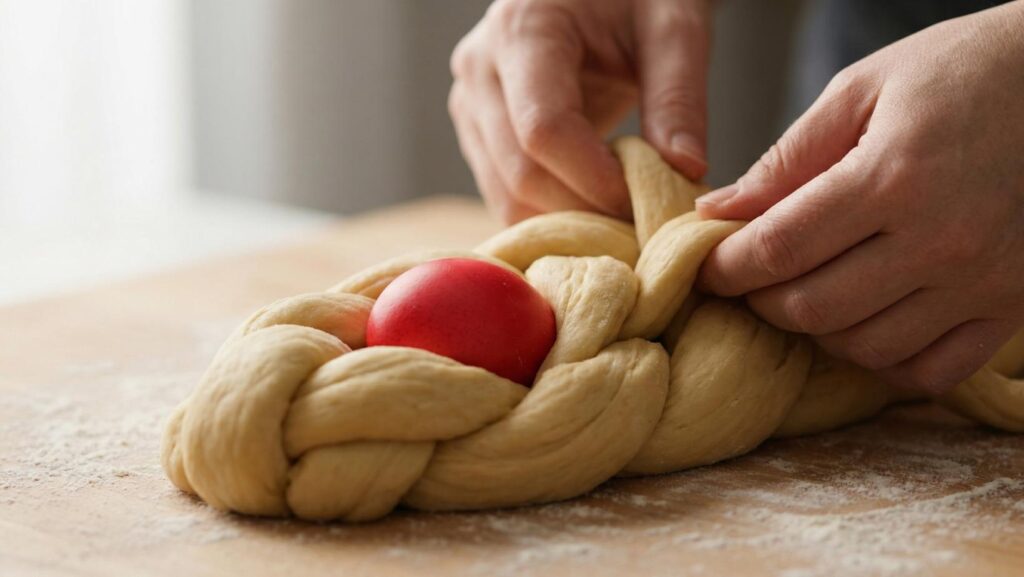
Divide the dough into four equal parts. Roll them into long ropes (about 24 inches). Twist two ropes together to form a braid, then join the ends to create a circle. Repeat for the second loaf.
Step 7: Second Rise and Bake
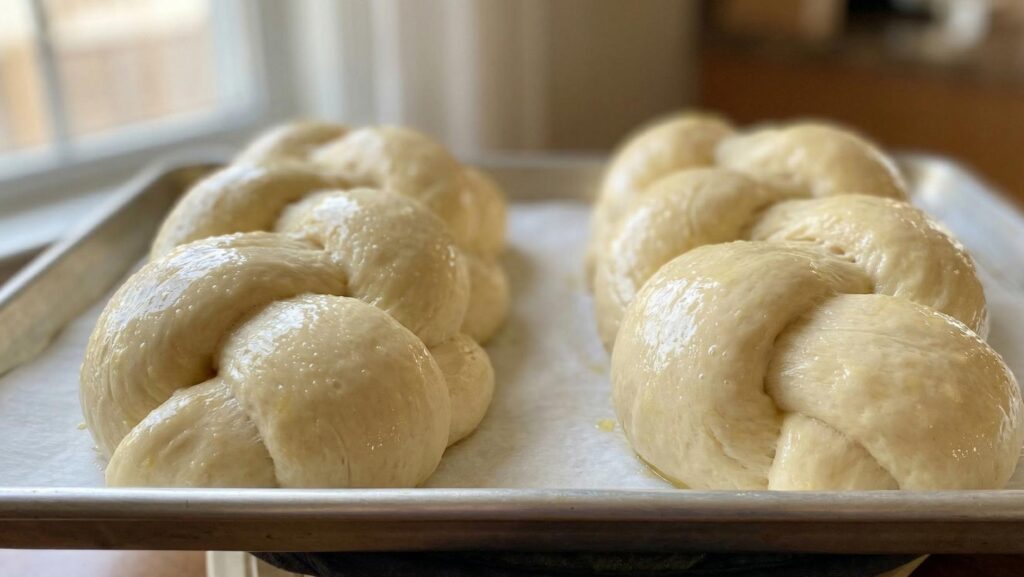
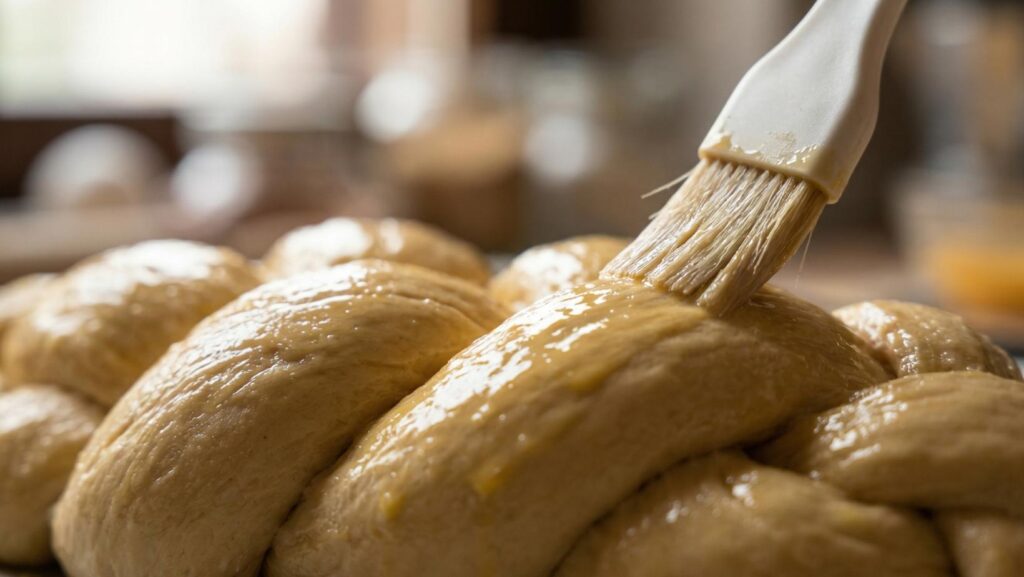
Let the braided loaves rise for another 45 minutes. Brush with an egg wash for that golden shine. Bake at 350°F (175°C) for 25–30 minutes.
Step 8: The Finishing Touch
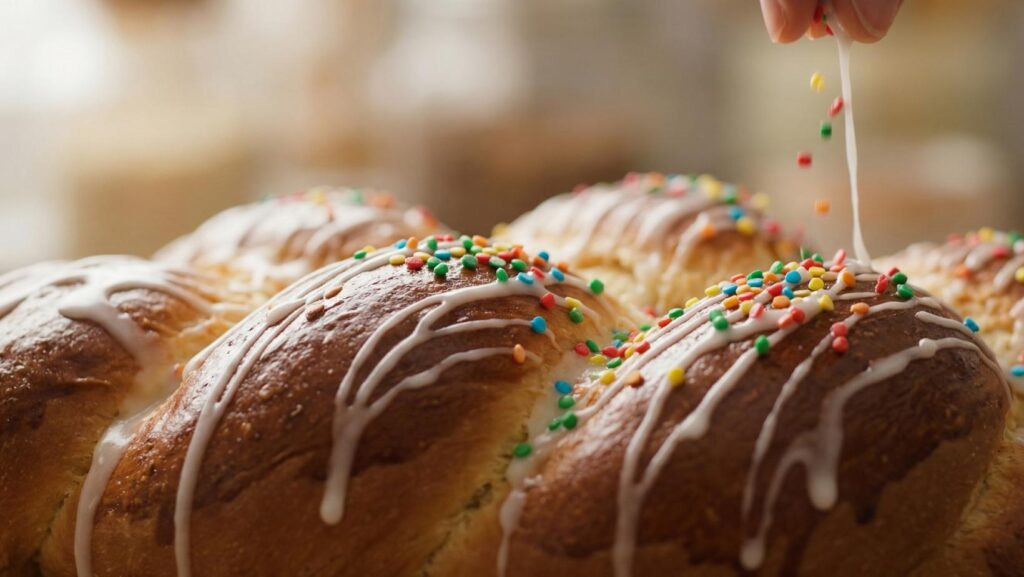
Once cooled, whisk together powdered sugar and milk for the glaze. Drizzle generously and add colorful sprinkles.
Frequently Asked Questions (FAQ)
Can I make Easter Bread dough in a bread machine?
Yes! Use the “Dough” setting to mix and for the first rise, then shape and bake in a conventional oven for the best texture.
Why did my Easter Bread turn out dense?
Usually, this happens if the dough didn’t rise enough or if too much flour was added during the kneading process. Ensure your yeast is active and the environment is warm.
What is a good substitute for anise oil?
If you aren’t a fan of anise, you can substitute it with vanilla extract or almond extract for a delicious twist.
How to Store and Freeze
- Room Temp: Store in an airtight bag for up to 3 days.
- Freezing: Wrap individual slices in plastic wrap and foil. They stay fresh for up to 3 months. Perfect for a quick holiday breakfast!
Serving Suggestions: How to Enjoy Your Pane di Pasqua
Italian Easter Bread is best enjoyed fresh, but its slightly sweet and citrusy flavor makes it incredibly versatile. For the ultimate Easter brunch experience, slice the loaf and serve it at room temperature with a side of unsalted butter or a dollop of fresh ricotta cheese.
If you have leftovers (which is rare!), this bread makes the best French toast you’ve ever tasted. The brioche-like texture soaks up the egg mixture perfectly, while the hint of anise and orange zest creates a gourmet breakfast experience. Pair it with a hot cup of espresso or a light Prosecco to truly honor the Italian tradition.
Conclusion: A Tradition Worth Baking
Baking this Traditional Italian Easter Bread is about more than just a recipe; it’s about bringing the warmth of the holiday into your kitchen. Whether you are honoring your family heritage like “Nana” or starting a brand-new tradition with thenextrecipes, this soft, fluffy, and festive loaf is guaranteed to be the star of your Easter table.
We hope this step-by-step guide helps you create a masterpiece that looks as good as it tastes. The combination of the vibrant dyed eggs and the sweet glaze makes it a joy to behold and a delight to eat.