
Is Couscous Gluten Free? #1 Guide to Safe Alternatives & Facts
Is Couscous Gluten Free? #1 Guide to Safe Alternatives & Facts
If you are following a gluten-free diet or managing celiac disease, you’ve likely asked yourself: Is couscous gluten free? With its grain-like appearance and pasta-like texture, couscous is a staple in Mediterranean and Moroccan cuisines. However, the answer is crucial for your health.
In this #1 definitive guide, we will break down everything you need to know about couscous, its gluten content, and the best safe alternatives for your kitchen.
Table of Contents
The Simple Answer: Is Couscous Gluten Free?
The short answer is No. Traditional couscous is NOT gluten-free.
Unlike rice or quinoa, which are naturally occurring seeds/grains, couscous is a type of small pasta. It is made from semolina, which is granules of durum wheat. Since wheat is the primary source of gluten, traditional couscous is unsafe for anyone with gluten intolerance or celiac disease.
What is Couscous Actually Made Of?
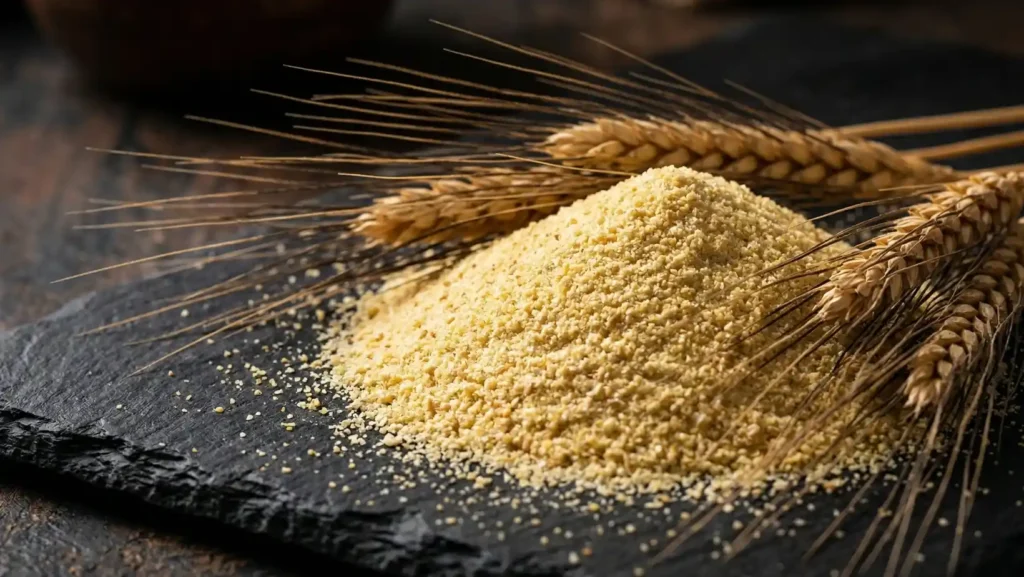
To understand why couscous contains gluten, we have to look at how it’s produced. Couscous is made by rolling semolina (cracked durum wheat) with water until it forms tiny pellets.
Because durum wheat is a “hard” wheat variety, it has a high protein content, specifically glutenin and gliadin, which combine to form gluten. This gives couscous its signature light and fluffy texture but makes it off-limits for gluten-free diets.
Top 5 Gluten-Free Couscous Alternatives
Just because you can’t have traditional wheat couscous doesn’t mean you have to miss out on those delicious Mediterranean flavors. Here are the #1 rated gluten-free alternatives that mimic the texture of couscous:
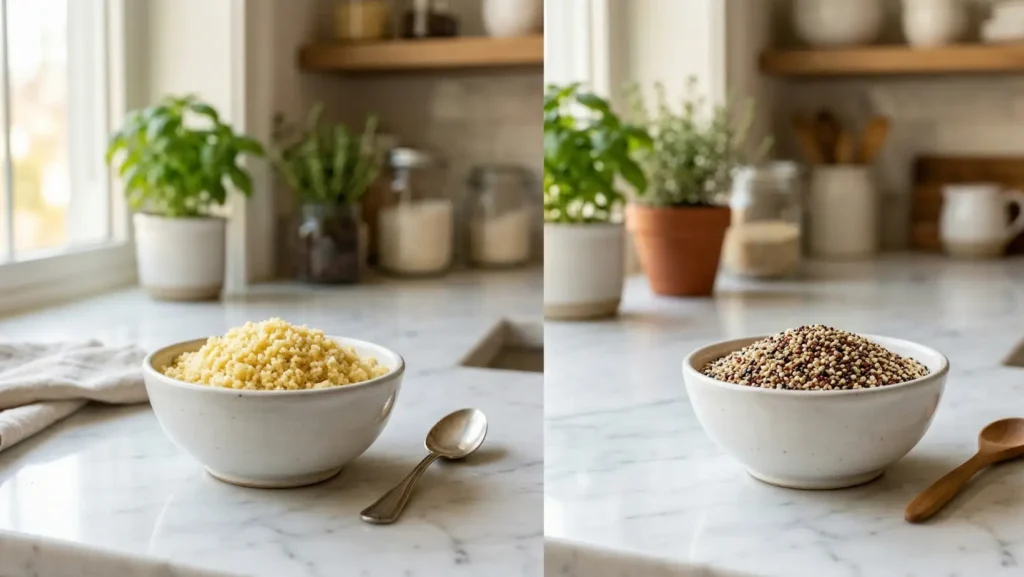
- Quinoa: The most popular substitute. It is naturally gluten-free, high in protein, and has a similar “pop” in your mouth.
- Millet: This ancient grain has a mild flavor and a small, round shape that very closely resembles couscous pellets.
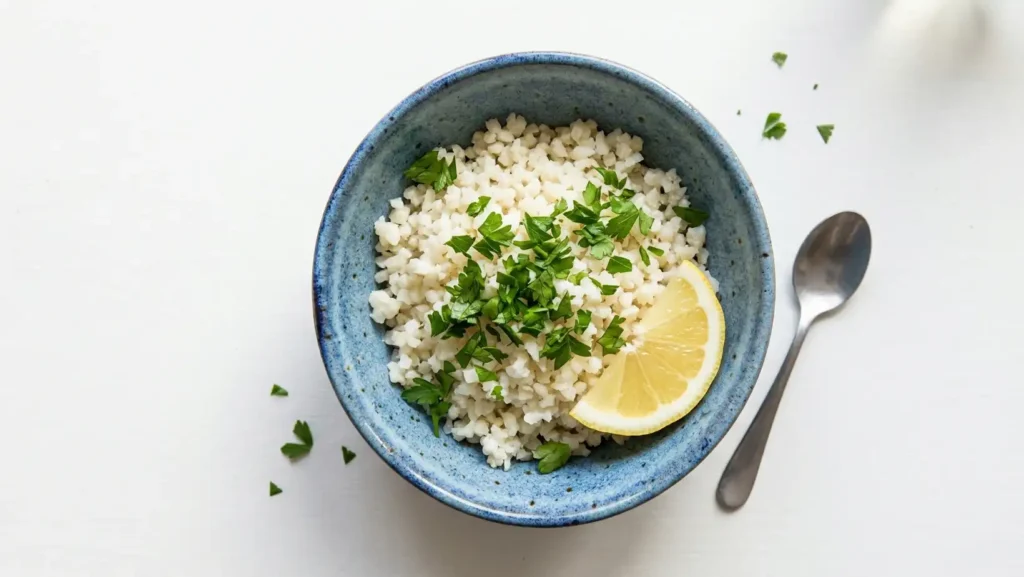
- Cauliflower Rice: For a low-carb and grain-free option, pulsed cauliflower provides a fantastic fluffy base for stews.
- Sorghum: A gluten-free grain that stays firm and chewy, perfect for cold pasta salads.
- Certified Gluten-Free Couscous: Some brands now manufacture “couscous” made from corn, cassava, or rice flour. Always look for the “Certified Gluten-Free” label.
How to Identify Gluten-Free Couscous in Stores
When shopping at your local market or browsing online, always check the ingredient label. Avoid products that list:
- Durum Wheat
- Semolina
- Wheat Flour
Instead, look for #1 gluten-free certifications. Many modern brands are now using maize (corn) or chickpea flour to create a gluten-free version of this classic dish.
Frequently Asked Questions (FAQ)
Is Couscous a grain or a pasta?
This is a common misconception! While it looks like a grain, couscous is technically a pasta. It is made from a dough of semolina and water that is rolled into tiny pieces. This is exactly why it is not gluten-free, unlike natural grains like rice, corn, or buckwheat which are gluten-free by nature.
Can I find gluten-free couscous in Morocco?
Yes! While wheat is traditional, many Moroccan families now use corn semolina (Baddaz) which is naturally gluten-free and incredibly delicious.
Is quinoa better than couscous?
Nutritionally, quinoa is often considered superior because it is a complete protein and is naturally gluten-free, making it the #1 choice for health-conscious cooks.
Is Couscous Gluten Free
No, traditional couscous is not gluten-free. It is a common mistake to think it is a seed or a gluten-free grain, but it is actually made from semolina (durum wheat), which contains high levels of gluten. If you have celiac disease or gluten intolerance, you must avoid traditional couscous and choose certified gluten-free alternatives like quinoa or corn-based couscous.
Why Moroccan Couscous is the Gold Standard (and is it Gluten-Free?)
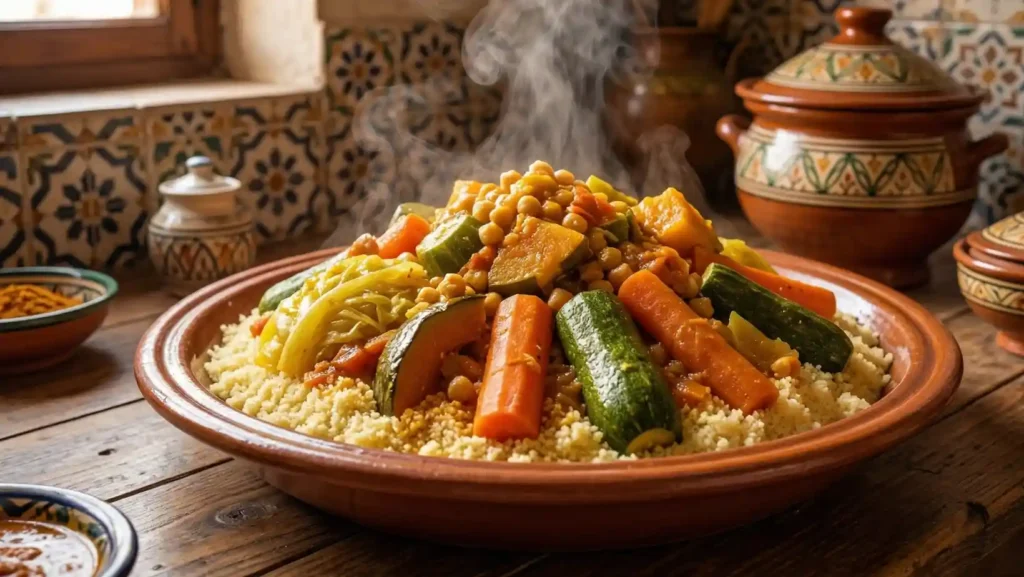
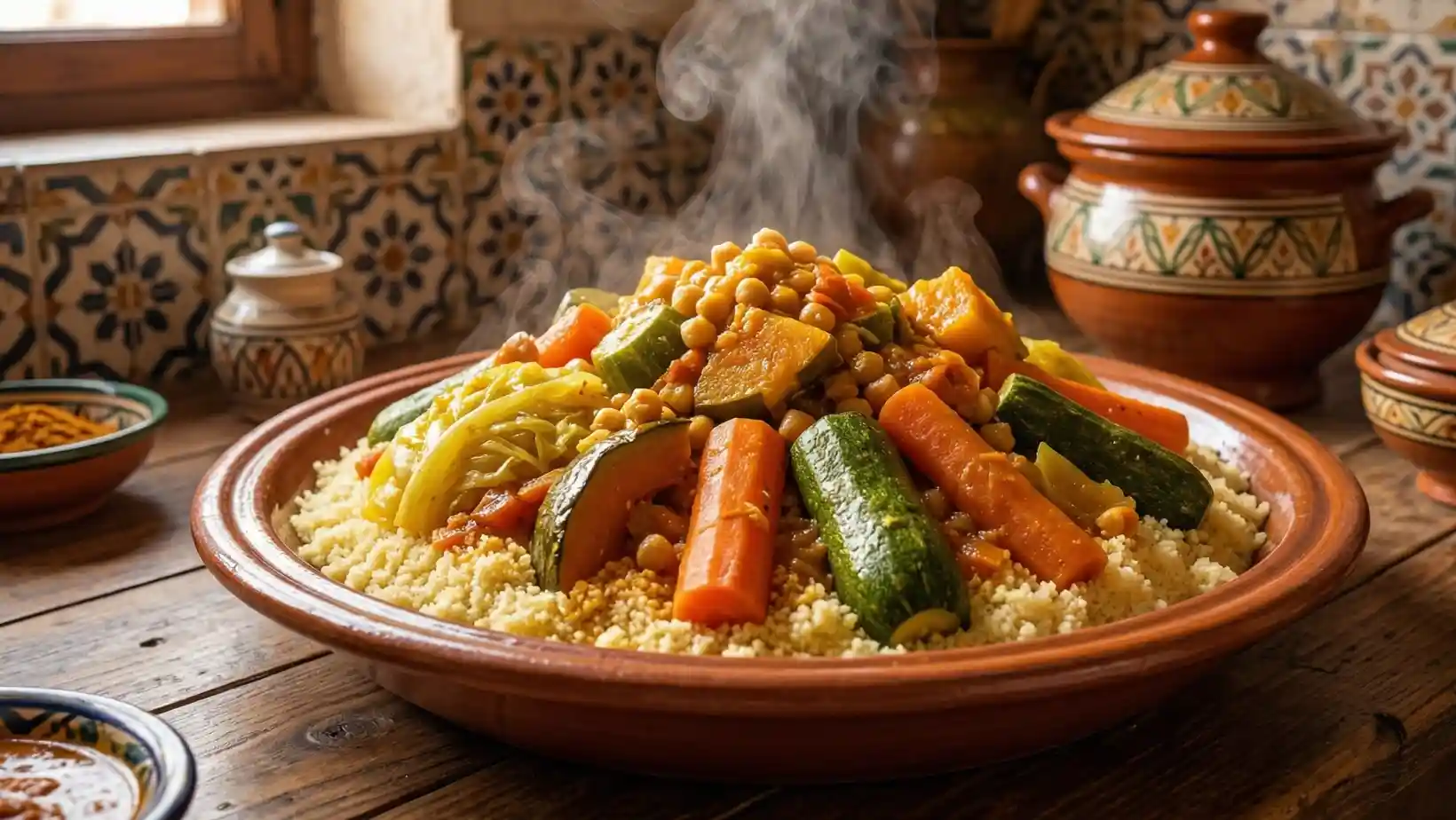
When people think of this dish, Moroccan Couscous is undoubtedly the best and most authentic version in the world. Known for its incredible ability to absorb the rich flavors of “Seven Vegetable” stews and aromatic spices like saffron and ginger, it is the ultimate comfort food. However, even though it is the “Gold Standard” of Mediterranean cuisine, traditional Moroccan couscous is still made from wheat semolina, meaning it is NOT gluten-free. The good news is that Morocco has a long-standing tradition of making “Baddaz”—a magnificent version made from corn flour that is naturally gluten-free and just as delicious as the wheat-based original.
Chef’s Note: The Secret to Fluffy Gluten-Free “Couscous”
Chef’s Note: If you are using Millet as a substitute, toast the dry grains in a pan with a little olive oil for 2 minutes before adding water. This prevents the grains from becoming mushy and gives them that distinct, individual “grain” feel that you find in authentic Moroccan couscous.