Homemade Napa Cabbage Kimchi – Spicy & Tangy
Authentic Napa Cabbage Kimchi: Your Gateway to Fermented Flavor!
Hey there, flavor adventurers! Are you ready to dive into the vibrant, spicy, and utterly addictive world of homemade Napa Cabbage Kimchi? If you’ve ever dreamt of crafting your own probiotic-packed culinary masterpiece, the kind that tantalizes your taste buds and boosts your gut health, then you’re in the right place! This isn’t just a recipe; it’s a journey into the heart of Korean cuisine, a celebration of traditional fermentation, and an incredibly rewarding experience. Forget store-bought; once you make your own, there’s no going back to that unparalleled crunch, heat, and complex umami. Let’s get fermenting!
⭐️⭐️⭐️⭐️⭐️ (4.8 from 2,500 fans)
📸 1100+ photo shares | ☀️ Updated December 2025

Why You’ll Love This Napa Cabbage Kimchi Recipe
There’s something incredibly satisfying about making your own kimchi. Beyond the amazing taste, it’s packed with beneficial probiotics, making it a gut-friendly superfood. This recipe uses traditional methods to ensure an authentic flavor profile – spicy, tangy, slightly sweet, and incredibly savory. It’s fantastic as a side dish, a condiment, or even an ingredient in countless other recipes. Plus, it’s surprisingly simple once you get the hang of it, and the reward of that first spicy, crunchy bite of your homemade Napa Cabbage Kimchi is absolutely priceless.
What You’ll Need
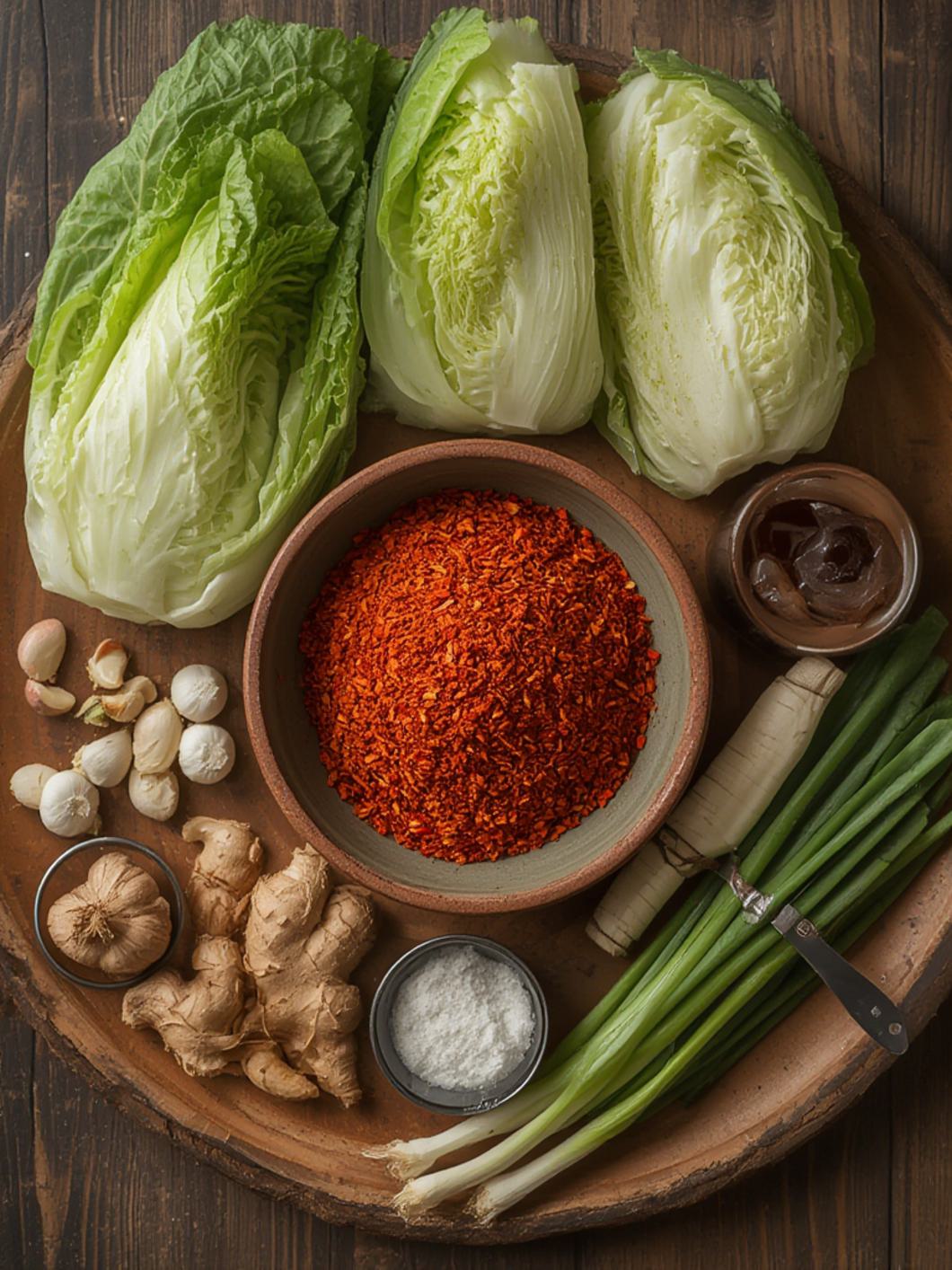
Equipment
- Large mixing bowls (at least two)
- Colander
- Sharp knife
- Cutting board
- Gloves (highly recommended for mixing the paste!)
- Airtight containers or glass jars for fermentation
Ingredients
Prep time: 1 hour active, plus 4-6 hours resting
Servings: 8-10
- 2 large heads (about 5-6 lbs total) Napa Cabbage
- 1 cup coarse sea salt or pickling salt
- 1/2 cup sweet rice flour (glutinous rice flour)
- 2 cups water
- 2 tbsp sugar
- 1 medium Korean radish (mu), peeled and julienned (about 2 cups)
- 1 medium carrot, peeled and julienned
- 1 bunch green onions (about 8-10 stalks), cut into 2-inch pieces
- 1 large yellow onion, roughly chopped
- 1 head garlic (about 10-12 cloves), peeled
- 2-inch piece fresh ginger, peeled
- 1/4 cup fish sauce (Korean anchovy sauce preferred)
- 2 tbsp salted shrimp (saeujeot), rinsed and finely minced (optional, but highly recommended for authentic flavor)
- 1/2 cup to 1 cup Korean chili powder (gochugaru), adjust to your spice preference
How to Make Napa Cabbage Kimchi
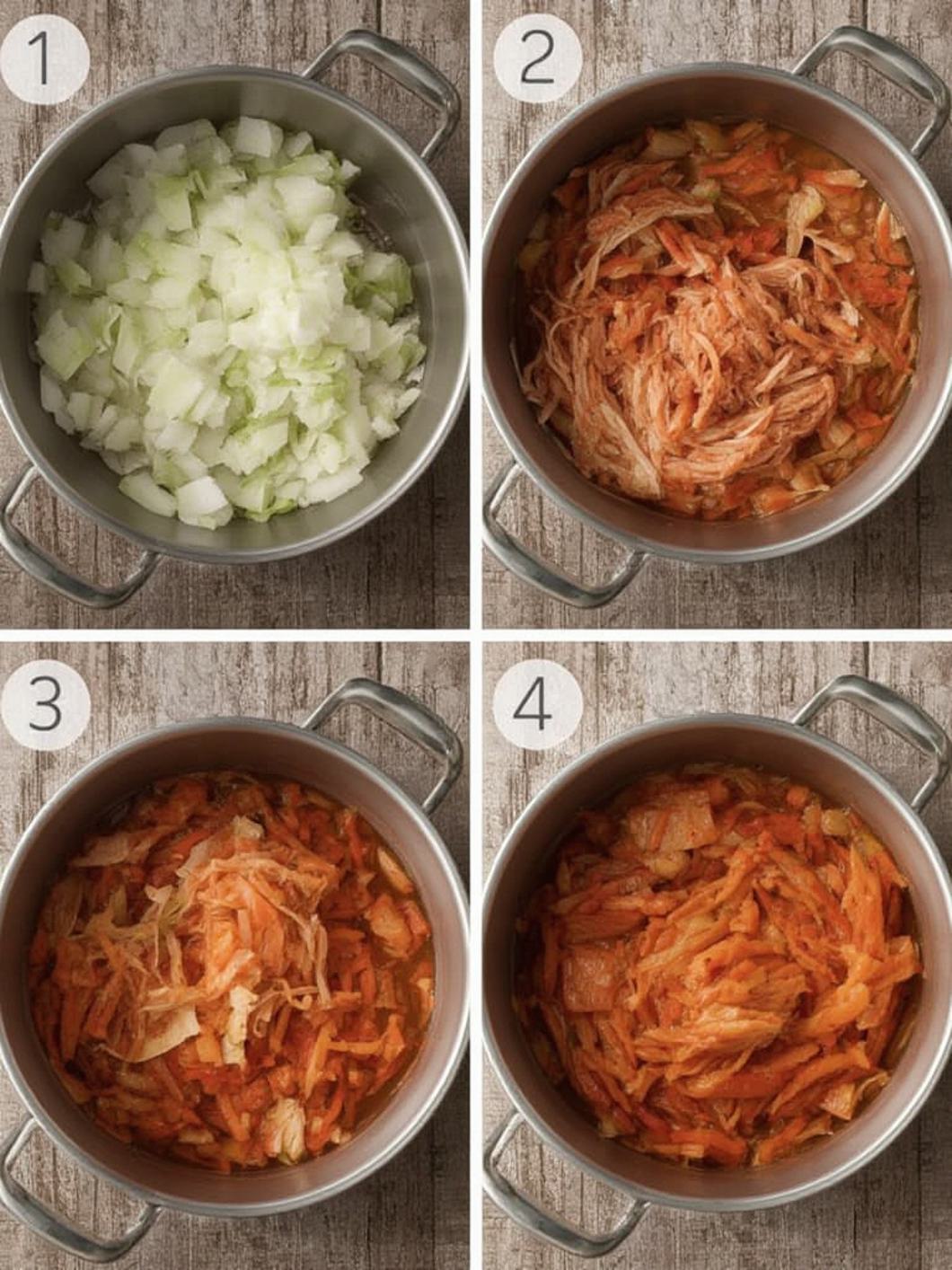
- Prepare the Cabbage: Cut each head of Napa Cabbage lengthwise into quarters. Trim the core. Cut each quarter into 2-inch pieces, discarding any tough outer leaves. Place the cabbage in a very large bowl.
- Salt the Cabbage: Sprinkle the coarse sea salt evenly over the cabbage, tossing to coat every piece. Let it sit for 4-6 hours, tossing every hour or so. The cabbage will wilt significantly and release a lot of water. This is crucial for flavor and texture!
- Rinse and Drain: After salting, the cabbage should be much softer and bendy. Rinse the cabbage thoroughly under cold running water 2-3 times to remove excess salt. Squeeze gently to remove excess water. Let it drain in a colander for at least 30 minutes to an hour.
- Make the Porridge (풀): In a small saucepan, whisk together the sweet rice flour and water until smooth. Cook over medium heat, stirring constantly, until the mixture thickens into a translucent, sticky porridge. Remove from heat, stir in the sugar, and let it cool completely.
- Prepare the Kimchi Paste (양념): In a food processor, combine the yellow onion, garlic, and ginger. Process until a smooth paste forms. If using salted shrimp, add it now and pulse briefly.
- Combine Paste Ingredients: In a large mixing bowl, combine the cooled rice porridge, onion-garlic-ginger paste, fish sauce, and Korean chili powder (gochugaru). Mix well until a vibrant red paste forms. This is the heart of your Napa Cabbage Kimchi!
- Add Vegetables: Add the julienned Korean radish, carrot, and green onions to the kimchi paste. Mix thoroughly.
- Mix with Cabbage: Don your gloves! Add the well-drained cabbage to the bowl with the kimchi paste and vegetables. Using your hands, thoroughly massage the paste into every piece of cabbage until everything is evenly coated.
- Pack and Ferment: Tightly pack the kimchi into clean, airtight containers or glass jars. Make sure to press down firmly to remove any air pockets. Leave about 1-2 inches of headspace from the top. Seal the containers.
- Fermentation: Allow the kimchi to ferment at room temperature (around 68-72°F / 20-22°C) for 1-3 days, depending on how sour you like it. You’ll notice bubbles, and it will develop a tangy smell – these are signs of healthy fermentation! Taste it daily. Once it reaches your desired tanginess, transfer it to the refrigerator. It will continue to ferment slowly in the fridge and develop deeper flavors over weeks.
Fun Twists & Serving Ideas

This homemade Napa Cabbage Kimchi is incredibly versatile!
- Vegan Kimchi: Omit the fish sauce and salted shrimp. Use an equal amount of soy sauce or a bit of mushroom powder for umami.
- Spice Level: Adjust the amount of gochugaru to your preference. For extra heat, add a pinch of fresh chili flakes.
- Add-ins: Feel free to experiment with other vegetables like daikon radish (instead of Korean radish), Asian chives, or perilla leaves.
- Serving: Enjoy it as a side dish with almost any Korean meal. It’s fantastic with rice, noodles, grilled meats, or in stews like Kimchi Jjigae. Don’t forget to try it in Kimchi Fried Rice or even on hot dogs and tacos for a surprising kick!
Common Questions About Napa Cabbage Kimchi
- Q: How do I know when my kimchi is done fermenting?
- A: You’ll notice a tangy smell, tiny bubbles, and the taste will become sour and complex. Taste it daily after the first day at room temperature until it reaches your preferred level of tanginess.
- Q: Can I skip the salted shrimp or fish sauce?
- A: Yes, you can. For a vegan version, omit both. While they add a crucial umami depth to traditional kimchi, you can still make delicious kimchi without them. Consider adding a splash of soy sauce or a pinch of mushroom powder if omitting.
- Q: How long does homemade kimchi last?
- A: Stored properly in the refrigerator, homemade kimchi can last for several months, often up to 6 months or even longer. Its flavor will continue to evolve, becoming tangier over time.
- Q: Why is my kimchi too salty?
- A: This usually means you didn’t rinse the cabbage thoroughly enough after salting. Make sure to rinse 2-3 times and taste a small piece of the rinsed cabbage to ensure it’s not overly salty before mixing with the paste.
Reader Reviews
- ⭐️⭐️⭐️⭐️⭐️ Jenny K.: “This is hands down the best homemade kimchi recipe I’ve tried! The instructions were clear, and the result was incredibly authentic. My family devoured it in a week!”
- ⭐️⭐️⭐️⭐️⭐️ Mark T.: “I was intimidated by making kimchi, but this guide made it so easy. The fermentation process was fascinating to watch, and the flavor is just perfect – spicy with that wonderful tang. Highly recommend!”
- ⭐️⭐️⭐️⭐️⭐️ Sarah L.: “Followed this recipe exactly and got amazing results! The texture of the cabbage was spot on, and the paste was incredibly flavorful. It’s now a staple in my fridge. Thank you for this!”
Craving More Fermented Goodness?
Making your own Napa Cabbage Kimchi is more than just cooking; it’s a journey into flavor and a nod to culinary tradition. The joy of creating something so delicious and beneficial from scratch is truly unmatched. We hope this recipe empowers you to explore the wonderful world of fermentation and keeps your taste buds (and your gut!) incredibly happy. Don’t forget to share your kimchi creations with us! Happy cooking!
Recipe Note: For best results, use fresh, firm Napa cabbage. The quality of your ingredients will greatly impact the final taste of your kimchi. Always wear gloves when handling the gochugaru and mixing the kimchi paste to prevent skin irritation.
Napa Cabbage Kimchi
Cook Time: N/A
Total Time: 4 hours 30 minutes
Course: Side Dish
Servings: 12-16
Calories: 40 per 100g serving
Ingredients
- 1 large head (about 5-6 lbs / 2.3-2.7 kg) napa cabbage
- 1 cup coarse sea salt (for brining)
- 1/2 cup glutinous rice flour
- 2 cups water (for porridge)
- 1 cup warm water (for chili flakes)
- 1 1/2 cups Korean chili flakes (gochugaru)
- 1/2 cup fish sauce (or vegan soy sauce for vegan option)
- 1/4 cup salted shrimp paste (saeujeot), optional (omit for vegan, use more fish sauce/soy sauce)
- 1/4 cup granulated sugar
- 1 large yellow onion, roughly chopped
- 1 head garlic, cloves peeled (about 15-20 cloves)
- 2-inch piece ginger, peeled and roughly chopped
- 1 medium daikon radish, peeled and julienned
- 1 large carrot, peeled and julienned
- 6-8 green onions (scallions), cut into 2-inch pieces
- 1/2 medium Asian pear (or apple), peeled and cored
Instructions
-
Prepare Cabbage
Cut Napa cabbage lengthwise into quarters, then into bite-size pieces.
Place in a large bowl, sprinkle evenly with salt, and toss gently.
Add enough water to just cover. Let soak 1½–2 hours, tossing every 30 minutes, until cabbage is flexible. -
Rinse & Drain
Rinse cabbage 2–3 times under cold water to remove excess salt.
Drain thoroughly and squeeze gently. -
Make Rice Paste (Optional)
Simmer rice flour and water, stirring until thickened. Cool completely. -
Make Kimchi Paste
In a bowl, mix gochugaru, sugar, fish sauce, shrimp paste (if using), ginger, garlic, and cooled rice paste. -
Mix Vegetables
Add green onions, carrot, and radish to kimchi paste. Mix well. -
Combine
Wearing gloves, gently massage paste mixture into cabbage until fully coated. -
Pack & Ferment
Pack kimchi tightly into a clean glass jar, pressing down to remove air bubbles.
Leave about 1 inch of space at the top. Seal loosely. -
Ferment
Leave at room temperature 1–2 days, opening daily to release gas.
Taste daily. Once tangy, refrigerate. Flavor continues to develop over time.
Chef’s Notes: Fermentation time varies based on desired sourness and room temperature (typically 1-3 days at room temp before refrigerating). Store in an airtight container in the refrigerator for several weeks to months. The flavor deepens over time.